

The ‘Low Testosterone’ Panic: What a New Study Found, and What Actually Works
Quick Answer
A 2026 University of Sydney study found that most viral "low testosterone" content online comes from people with something to sell, not health professionals, and most of it targets healthy men using fear rather than evidence. The factors that actually influence testosterone, sleep, training, and body composition, are less dramatic than a scary video, but they're what the research actually supports. If something genuinely feels off, a real blood test from a real doctor beats a kit from an ad.
In This Article
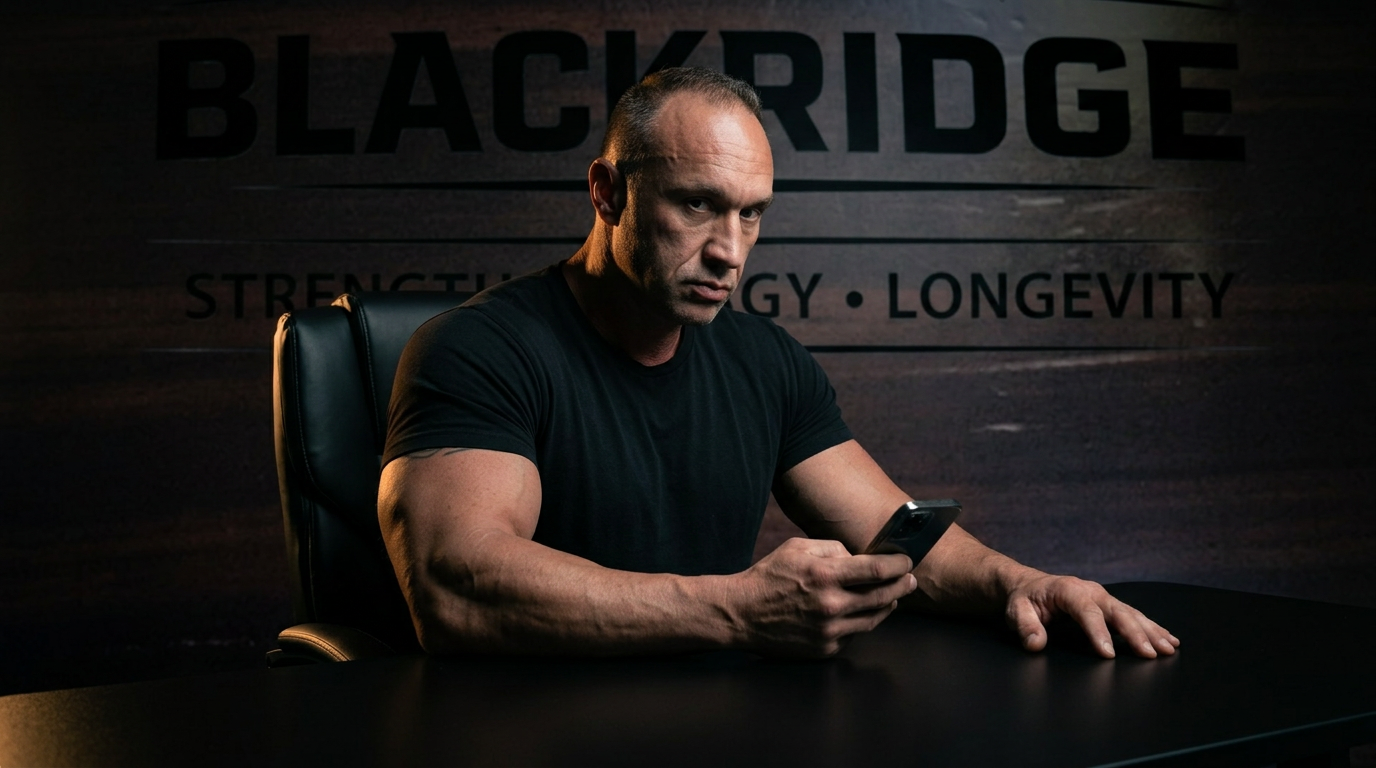
If you've spent any time on Instagram or TikTok in the last year, you've probably seen it: a shirtless guy warning you about the "silent signs" of low testosterone, or a clinic ad promising to fix your energy, your drive, and your confidence with one blood test. This content is everywhere, and it's designed to make you feel like something is wrong. A study published in early 2026 looked closely at where this content actually comes from, and the findings are worth knowing before you take any of it seriously.
What a New Study Found
Researchers at the University of Sydney, publishing in the journal Social Science & Medicine, analyzed a broad sample of 200 high-reach Instagram and TikTok posts about testosterone, then took a closer look at 46 posts that specifically addressed masculinity or sexual performance. What they found was striking. Eighty-five percent of the posts came from individual creators rather than health organizations. Sixty-seven percent included a direct link to buy something: a supplement, a test kit, or a clinic consultation. And seventy-two percent of the accounts posting this content had a clear financial interest in the outcome, whether that meant owning a wellness brand, selling hormone tests, or being sponsored by a pharmaceutical company. Just as notable, none of the posts in the study cited scientific evidence to support their claims.
The Four Patterns Behind the Fearmongering
The researchers identified four recurring narrative patterns across this content. The first frames low testosterone as a crisis that threatens a man's fundamental sense of masculinity, not just a hormone level worth checking. The second reframes it as specifically a young man's problem, tying it to unrealistic, idealized muscular bodies rather than the natural, gradual decline that happens with age. The third leans heavily on self-optimization and gym performance, treating testosterone as a lever to pull for becoming a better version of yourself rather than a medical marker with a normal range. The fourth promotes a narrow, rigid version of masculinity, at times framing anything associated with femininity as something to avoid. Together, these patterns are effective at generating fear and urgency, which happens to be very good for selling tests, supplements, and consultations to men who were never actually deficient in the first place.
What Actually Moves the Needle
None of this means testosterone doesn't matter, or that lifestyle has no effect on it. It means the levers that actually work are less dramatic than a scary Instagram post makes them look. Sleep is one of the clearer ones: research has repeatedly linked poor or insufficient sleep to lower testosterone, with some studies showing measurable drops after even a single night of significant sleep loss, though researchers note the size of this effect varies across studies and isn't fully settled. Resistance training is another. A 2025 clinical review found that both resistance and aerobic exercise can modestly improve testosterone levels independent of hormone therapy, though the effect is real but limited, not a replacement for medical treatment when treatment is actually needed. Body composition matters too. Carrying excess body fat, particularly around the midsection, is well established to correlate with lower testosterone, which is part of why consistent training and a reasonable diet do more for most men than any product marketed as a quick fix.
Chronic stress and heavy alcohol use are worth mentioning as well, since both show up consistently in the broader research on hormone health, even if neither makes for a dramatic thumbnail. Elevated, sustained cortisol from ongoing stress works against the same systems testosterone depends on, and regular heavy drinking has a well-documented negative relationship with testosterone production. Neither of these is a quick fix or a single dramatic intervention. They're the same unglamorous fundamentals that show up in almost every area of men's health: sleep, training, stress management, and moderation, not a $60 test kit or a supplement stack promising to reverse a crisis that was never really there.
When It's Worth Talking to a Doctor
Genuine low testosterone, clinically called hypogonadism, is a real medical condition and not something to dismiss. But it's diagnosed with a proper blood test interpreted by a doctor who also looks at your actual symptoms and health history, not a single number from a mail-order kit advertised between two workout videos. If you're dealing with persistent, significant fatigue, a real drop in libido, or other symptoms that are actually affecting your life, that's worth bringing to a physician. What the research doesn't support is healthy men with normal levels being convinced they're deficient by content designed to sell them something.
Built for the Long Game
No fear tactics, no manufactured urgency. Just fundamentals worth building on.
Visit Black Ridge PerformanceWhy This Approach Matters
This is exactly why Black Ridge doesn't build its message around fear. Scaring men into thinking something is broken about them is an effective sales tactic, but it isn't honest, and it isn't necessary. The fundamentals, training consistently, sleeping enough, eating reasonably, managing stress, are unglamorous, but they're what the actual research supports. That's a slower story than a scary hook, but it's a true one. It also means being upfront about what a supplement can and can't do: it can support a foundation you're already building through training, sleep, and consistency. It can't replace any of those things, and no legitimate brand should imply otherwise.
The Bottom Line
A lot of what circulates online about testosterone is marketing dressed up as medical advice, built to make healthy men feel deficient. The real levers, sleep, training, and body composition, are less dramatic but well supported. And if something genuinely feels off, the right move is a real doctor and a real test, not a kit from an ad.
FAQ
Is low testosterone actually common in healthy men?
Clinically significant low testosterone is less common than online content suggests. Testosterone does decline gradually with age, but that's a normal process, not automatically a medical problem requiring treatment.
Can I trust an at-home testosterone test I saw advertised online?
At-home kits can give you a number, but that number means little without a doctor interpreting it alongside your symptoms, health history, and a properly timed blood draw, since testosterone naturally fluctuates throughout the day.
What symptoms are actually worth getting checked?
Persistent, significant fatigue, a real and sustained drop in libido, unexplained loss of muscle mass, or mood changes without another clear cause are worth discussing with a doctor.
Does resistance training really raise testosterone?
Research shows resistance training can modestly improve testosterone levels, but the effect is real rather than dramatic, and works best as part of consistent overall training rather than a standalone fix.
How much does sleep actually affect testosterone?
Multiple studies link poor sleep to lower testosterone, with some showing measurable drops after even one night of significant sleep loss. Researchers note the exact size of the effect varies, but consistent, adequate sleep is one of the more reliable levers available.
Is testosterone replacement therapy dangerous?
TRT is a legitimate medical treatment for men with diagnosed hypogonadism, and safety research has evolved significantly in recent years. Like any medical treatment, it carries considerations that should be discussed with a doctor rather than decided from a marketing post.
How is Black Ridge different from the brands mentioned in this kind of research?
Black Ridge doesn't use fear-based marketing, doesn't make disease claims, and doesn't sell hormone tests or treatments. Our products are formulated to support general vitality and wellness, and our content is built around real, cited research rather than manufactured urgency.
Sources
- Gram, E.G., Nickel, B., et al. "Selling masculinity, a qualitative analysis of gender representations in social media content about 'low T'." Social Science & Medicine, 2026.
- University of Sydney. "Masculinity crisis: Influencers on social media promote low testosterone to young men, study finds." News release, February 2026.
- Sofia-Hernandez, B., et al. "Testosterone Replacement, Where Are We in 2025?" Trends in Urology & Men's Health, 2025.
- "Sleep and Athletic Performance: A Multidimensional Review of Physiological and Molecular Mechanisms." 2025.
This article is for general education and is not medical advice. Talk with your doctor before making decisions about your health, especially regarding hormone levels or supplementation.